

Heidi J. Larson
Founding Director of the Vaccine Confidence ProjectBuilding Vaccine Trust, While Managing Risk
We cannot afford to lose that enthusiasm, even in the face of recently reported rare instances of blood clotting following some COVID-19 vaccinations. How those risks are managed, communicated, and – most important – perceived will be crucial to sustaining public confidence in COVID-19 immunization drives. And in this context, people’s trust in policymakers, experts, and institutions will be as important as trust in the vaccines themselves. Our leaders need to be transparent in their actions and recognize that every day of delay and indecision regarding vaccine communication provides fertile ground for anxiety and misinformation – much of it online. To reassure the public, we need to change our approach and talk about risk management as an ongoing process, which is the approach scientists and regulatory authorities follow when they evaluate vaccines. Governments create vaccine-safety monitoring systems to observe signs of any possible risks and ensure that guidance is based on the latest data. This is an iterative process and finding a rare side effect means that the system is working. Scientists and regulators use the same process for any medication, from over-the-counter painkillers to chemotherapy drugs, but it is often invisible to the public. By contrast, COVID-19 vaccines have been designed, approved, and administered under a global spotlight, with every step in the development process and every report of a potential risk magnified and shared around the world. As a result, rare side effects seem more common than they actually are, making it more difficult for the public to evaluate the risk. The public is capable of managing risk: we do it individually and collectively every time we leave the house, drive a car, or take medication, for example. But people need clear information. In the case of the reported blood clots, this means ensuring that they understand not only the possible risks related to getting a COVID-19 vaccine, but also the risk of choosing not to receive one. Health-care providers and vaccinators must also clearly communicate the possible signs and symptoms of a serious vaccine reaction and help people understand when they should seek immediate treatment. This is true of all vaccines. Although vaccines are highly effective and save 2-3 million lives globally each year, anxiety about them is not new. The first anti-vaccine league emerged in Britain in the nineteenth century, after the government made smallpox vaccination compulsory. Some thought that vaccination – then known as “variolation” – was unnatural and “against God’s plan.” But while vaccination was far riskier than it is today, many thought the risk well worth taking in the face of a devastating epidemic. Today, we face COVID-19 – another lethal pathogen that has affected everyone in some way. At the Vaccine Confidence Project, we are monitoring social media globally to understand people’s questions and concerns regarding COVID-19 vaccines, as well as trust-building successes. The most frequent theme we see – in over 200 languages – is an impatient call to put the pandemic behind us. And vaccines are central to achieving this. But, for some, eagerness alone will not be enough to motivate them to get vaccinated. They will first need to feel more confident. At an individual level, therefore, people need to be able to ask questions about COVID-19 vaccines without being treated dismissively and get the information and support they need to make educated decisions. Doctors and nurses are some of the most trusted members of society, so it is important that they make time to listen to their patients’ concerns in an empathetic manner. But they also need to have the latest information and guidance to communicate to patients and to reinforce their own confidence in COVID-19 vaccination. At the policy level, governments need to invest in short- and long-term communication and public engagement to support vaccine delivery. And policymakers and scientific institutions must become more agile and learn to speak to the public directly and transparently about important findings. The key is not only to get vaccine information right, but also to make it relevant to people’s questions, and to build trust by responding in ways that make sense in the context of their daily lives. When the next crisis hits, with different risks, the public will remember how their concerns were addressed during this one. It is perfectly normal to have questions about vaccines. How we answer them will make all the difference. If we respond well now, and bolster public confidence, we have the chance to establish a relationship of trust that will serve as a solid foundation to meet whatever health crisis comes next.
© Project Syndicate 1995–2021
à lire aussi

Article : Santé : Akdital poursuit son offensive saoudienne avec un nouvel hôpital à Djeddah
En reprenant un établissement déjà bâti de 120 lits, dont l’ouverture est visée au premier trimestre 2027, le groupe coté à Casablanca porte à quatre ses projets dans le Royaume et avance vers son objectif de 2.000 lits à l’international d’ici 2030.
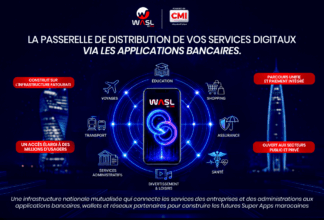
Article : WaSL by CMI : vers des “Super Apps” marocaines pour payer, réserver et accéder aux services
Après avoir habitué les Marocains à régler factures, taxes et créances depuis leurs canaux bancaires ou partenaires, le CMI veut franchir une nouvelle étape : intégrer les services eux-mêmes dans ces parcours. Avec WaSL, administrations, entreprises, fintechs et établissements de paiement pourront brancher leurs offres sur une infrastructure déjà utilisée par plus de 100 organismes et 32 banques, avec l’ambition de rapprocher les démarches du quotidien des usages numériques existants.
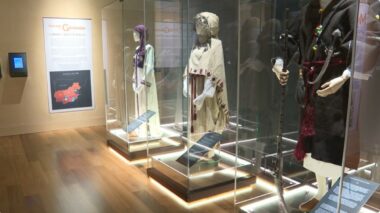
Article : À l’Alhambra, la Fondation Docteur Leïla Mezian donne une vitrine mondiale au patrimoine amazigh
Le Carmen de los Porcel accueille depuis samedi 13 juin une exposition permanente de 200 m² consacrée aux objets, aux gestes et aux récits amazighs, enrichie notamment par la donation de bijoux de Jorge Dezcallar, ancien ambassadeur d’Espagne au Maroc.

Article : Législatives 2026 : le Conseil national de l’Istiqlal pose les bases de son programme électoral
À quelques mois du scrutin de septembre, Nizar Baraka veut installer son parti sur des thèmes concrets et populaires : sécurité hydrique, production locale, industrialisation, moralisation de la vie publique et pouvoir d’achat. Une manière de préparer la bataille des urnes en tentant de répondre aux attentes des citoyens. Si les thèmes sont bien choisis, il reste à connaitre les mesures concrètes que propose le parti.

Article : Océans : le rapport de 1.300 pages de l’ONU qui documente un désastre en cours
Ils ont longtemps servi d’amortisseur silencieux à la planète, absorbant plus de 90% de l’excès de chaleur et près d’un tiers du CO2 rejeté par les activités humaines. Mais la machine se dérègle : niveau de la mer en accélération, coraux menacés, plastiques présents dans tous les écosystèmes, stocks de poissons sous pression et littoraux exposés. Publiée le 5 juin par l’ONU, la nouvelle Évaluation mondiale de l'océan dresse le portrait d’un système vital qui protège encore l’humanité, tout en montrant des signes de rupture de plus en plus visibles.

Article : ENQUÊTE. Manuels scolaires : derrière les pénuries de livres, la fin d’un modèle vieux de 20 ans
Affiché à seulement 4,05 DH, un manuel scolaire a fini par coûter près de 200 DH à certains parents, contraints de multiplier les déplacements et les tournées de librairies pour parvenir à le trouver lors de la rentrée 2025-2026. Derrière cette situation se joue une réforme qui bouleverse l’ensemble de la filière du livre scolaire. Pendant plusieurs semaines, Médias24 a interrogé les professionnels du secteur et reconstitué les effets de cette réforme sur un marché de plusieurs centaines de millions de dirhams.