

Food, Not Steel, Is Our Biggest Climate Challenge
The latest report by the United Kingdom’s Climate Change Committee, for example, shows that cutting UK greenhouse-gas emissions to net zero by 2050 would reduce British GDP by only 0.5%. The Energy Transitions Commission’s “Making Mission Possible” report estimates a similar total cost of 0.5% of global GDP to reduce emissions from the world’s energy, building, industrial, and transport systems to zero by mid-century. These estimates are well below those produced by older studies. The seminal Stern Review on the Economics of Climate Change, published in 2006, suggested costs of 1-1.5% of GDP to achieve only an 80% reduction in emissions. This welcome change reflects the dramatic and unanticipated decline in costs for key technologies – with onshore wind electricity costs down 60% in just ten years, solar photovoltaic cells down over 80%, and batteries 85%. These costs are now so low that using zero-carbon products and services in many sectors will make consumers better off. [Chart] For example, future “total system costs” to run near-zero-carbon electricity systems – including all the storage and flexibility needed with unpredictable sources such as wind and solar – will often be below those for today’s fossil fuel-based systems. And within ten years, consumers around the world will be better off buying electric autos, paying slightly less for the vehicles and far less for the electricity that powers them than they do for the diesel and petrol they buy today. In some hard-to-abate sectors such as steel, cement, and shipping, however, decarbonization is likely to impose a significant cost. Well before 2050, zero-carbon steel could be produced by using hydrogen as the reduction agent rather than coking coal, or by adding carbon capture and storage to traditional blast furnaces. But doing so might increase costs by 25%, or about $100 per ton of steel. Long-distance ships could be powered by ammonia or methanol, but fuel costs might increase by over 100%, and freight rates by 50%. As Bill Gates puts it in his new book How to Avoid a Climate Disaster, in some sectors, we face a “green cost premium” versus today’s carbon-emitting technology. So it is vital to focus research and development and venture-capital investment on breakthrough technologies that might reduce this premium. But it is also important to recognize that even if the “green premium” lingers, the cost of decarbonizing these sectors will be so small that consumers will hardly notice. Ask yourself how much steel you bought last year. Unless you are a purchasing manager, the answer is probably none directly. Instead, consumers indirectly purchase steel embedded in the products and services they consume – in autos, in washing machines, or in health services delivered at a hospital built with steel. World Steel Association figures indicate that “true steel use per capita” is 300-400 kilograms (661-882 pounds) annually in Europe and the United States. So, if the steel price rose by $100 per ton, consumers would be just $30-40 worse off. That trivial cost reflects the crucial difference between the green premium on intermediate goods and the “green consumer premium” on final products. An increase in the steel price of even 25% will add less than 1% to automobile prices. Shipping freight rates might rise by 50%, but that would increase the price of imported clothes or food by a similarly trivial amount. But higher costs for intermediate products still pose a major policy challenge. A steel company that commits to a zero-carbon target will find itself at a crushing disadvantage if its competitors do not. Imposing a carbon price on heavy industrial sectors could overcome this problem, but only if the price is applied worldwide or combined with border carbon tariffs against countries unwilling to impose it. In shipping, regulation by the International Maritime Organization could ensure that all companies move in step, and the impact on consumer costs would be trivial. By contrast, food prices and consumer food preferences are non-trivial issues. Few of us buy steel directly, but everyone buys food, which even in rich countries accounts for 6-13% of total household expenditure and much more for lower-income groups. For consumers, a 10% green premium for food would matter more than even a 100% premium for steel. Within the food sector, moreover, meat production is highly emissions-intensive. Methane emissions from livestock and manure have a global warming effect greater than the three gigatons of carbon dioxide from steel production, and an additional five gigatons of CO2 results from land-use changes, such as when forest is converted to soybean production for cattle feed. Here, too, technological solutions may be possible, but major challenges remain. Consumers do not care about the specific character of the steel they indirectly consume, but beef eaters have strong opinions about the texture and taste of steak, which synthetic meat production cannot yet replicate. And while the green premium for synthetic meat over animal meat is falling, it must get close to nil to avoid material impact on consumer budgets. This could change, however, if people decided that they would be happy with less meat and more vegetable-intensive diets, which also cost less. In that case, food could become like road transport, with consumers gaining from the shift to zero carbon rather than facing a cost burden.
© Project Syndicate 1995–2021
à lire aussi
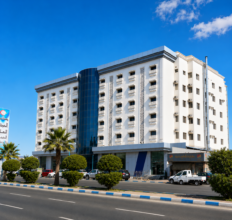
Article : Santé : Akdital poursuit son offensive saoudienne avec un nouvel hôpital à Djeddah
En reprenant un établissement déjà bâti de 120 lits, dont l’ouverture est visée au premier trimestre 2027, le groupe coté à Casablanca porte à quatre ses projets dans le Royaume et avance vers son objectif de 2.000 lits à l’international d’ici 2030.
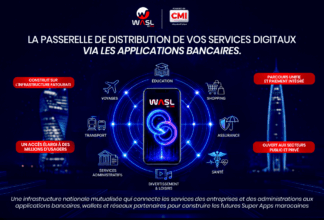
Article : WaSL by CMI : vers des “Super Apps” marocaines pour payer, réserver et accéder aux services
Après avoir habitué les Marocains à régler factures, taxes et créances depuis leurs canaux bancaires ou partenaires, le CMI veut franchir une nouvelle étape : intégrer les services eux-mêmes dans ces parcours. Avec WaSL, administrations, entreprises, fintechs et établissements de paiement pourront brancher leurs offres sur une infrastructure déjà utilisée par plus de 100 organismes et 32 banques, avec l’ambition de rapprocher les démarches du quotidien des usages numériques existants.

Article : À l’Alhambra, la Fondation Docteur Leïla Mezian donne une vitrine mondiale au patrimoine amazigh
Le Carmen de los Porcel accueille depuis samedi 13 juin une exposition permanente de 200 m² consacrée aux objets, aux gestes et aux récits amazighs, enrichie notamment par la donation de bijoux de Jorge Dezcallar, ancien ambassadeur d’Espagne au Maroc.
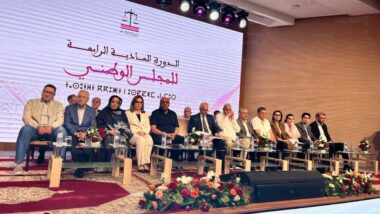
Article : Législatives 2026 : le Conseil national de l’Istiqlal pose les bases de son programme électoral
À quelques mois du scrutin de septembre, Nizar Baraka veut installer son parti sur des thèmes concrets et populaires : sécurité hydrique, production locale, industrialisation, moralisation de la vie publique et pouvoir d’achat. Une manière de préparer la bataille des urnes en tentant de répondre aux attentes des citoyens. Si les thèmes sont bien choisis, il reste à connaitre les mesures concrètes que propose le parti.

Article : Océans : le rapport de 1.300 pages de l’ONU qui documente un désastre en cours
Ils ont longtemps servi d’amortisseur silencieux à la planète, absorbant plus de 90% de l’excès de chaleur et près d’un tiers du CO2 rejeté par les activités humaines. Mais la machine se dérègle : niveau de la mer en accélération, coraux menacés, plastiques présents dans tous les écosystèmes, stocks de poissons sous pression et littoraux exposés. Publiée le 5 juin par l’ONU, la nouvelle Évaluation mondiale de l'océan dresse le portrait d’un système vital qui protège encore l’humanité, tout en montrant des signes de rupture de plus en plus visibles.

Article : ENQUÊTE. Manuels scolaires : derrière les pénuries de livres, la fin d’un modèle vieux de 20 ans
Affiché à seulement 4,05 DH, un manuel scolaire a fini par coûter près de 200 DH à certains parents, contraints de multiplier les déplacements et les tournées de librairies pour parvenir à le trouver lors de la rentrée 2025-2026. Derrière cette situation se joue une réforme qui bouleverse l’ensemble de la filière du livre scolaire. Pendant plusieurs semaines, Médias24 a interrogé les professionnels du secteur et reconstitué les effets de cette réforme sur un marché de plusieurs centaines de millions de dirhams.