
Vaccine Solidarity Now
GENEVA – The arrival of the first COVID-19 vaccines in late 2020 brought fresh hope that the end of the pandemic was within sight. When G7 leaders, from North America and Europe to Japan, gather for a virtual meeting on February 19, their top priority will be to discuss precisely how to achieve this goal. While this won’t be the first time that global leaders have addressed the pandemic, I welcome the fact that UK Prime Minister Boris Johnson, the G7’s current chair, has called this summit specifically in order to focus on vaccination. Having represented the European Union at these gatherings for ten years, I know how they can spur a broader movement to find solutions. With US President Joe Biden renewing America’s spirit of multilateralism, this G7 meeting offers genuine hope of becoming a true inflection point in overcoming the COVID-19 crisis. Moreover, a solution is already on the table, with vaccines ready to be rolled out to the world’s poorest countries. It is now clear that vaccines are having a more powerful impact during this pandemic than any fiscal or monetary stimulus, not only in terms of saving lives and protecting people, but also in laying a path to economic recovery. This is so because, as long as the coronavirus circulates, reinfection will continue and efforts to resume trade, travel, and commerce will stall. But the vaccines’ potential impact is entirely contingent on ensuring rapid, fair, and equitable access to them to people in all countries. So, more than ever before, we need global solidarity in support of the COVID-19 Vaccine Global Access Facility (COVAX), the international initiative that aims to make the vaccines available everywhere in the world. COVAX represents the only viable way to achieve an international economic recovery and avoid a global vaccine divide. With 190 participating governments, the initiative has already secured an initial 2.3 billion COVID-19 vaccine doses for 2021. Next week, it will start to distribute the first 1.3 billion doses to people in 92 lower-income countries that otherwise would be unable to afford them. Given current global supply constraints, COVAX expects to distribute around 120 million doses by the end of March, and 340 million by mid-2021. This means that even in a supply-constrained world, COVAX remains on track to meet its original vaccine-delivery schedule. But while this is good news, speed of access is key – and the world could act even faster. In particular, higher-income countries can help accelerate the equitable distribution of vaccines by donating any surplus doses they have to COVAX. French President Emmanuel Macron and Canadian Prime Minister Justin Trudeau have already committed to do just that. The generosity of G7 donors, from the United Kingdom and the United States to Japan, is also most welcome. And Germany, under Chancellor Angela Merkel, has shown true leadership in this struggle both within the EU and at a global level. By working together instead of seeking bilateral deals with pharmaceutical companies, governments can reduce the immediate pressure on global supplies of new doses. This will allow those most in need of a vaccine to be prioritized accordingly, and prevent a repeat of what happened in the 2009 H1N1 swine flu pandemic, when vaccines went to the highest bidder. Vaccine nationalism in any form must cease. By constraining already limited global supplies, such practices put doses further out of reach for those who need them most, and thus place everyone at risk by allowing the virus to continue to spread and mutate. Global vaccine solidarity is the only solution. The EU, represented at G7 summits by the presidents of the European Commission and the European Council, offers a prime example of why this is the case. Like all buyers in a supply-constrained marketplace, the EU has experienced delays in procuring vaccines, and has been criticized for the speed at which it has made them available to member states. But the Union’s solidarity-based model works, because without it countries would be competing to outbid each other for doses. This would have resulted in costly chaos, almost certainly prolonging the pandemic and creating dramatic disruption in Europe and beyond. The same is true globally, which is why we now need international solidarity in order to work through COVAX. This week, the G7 has an opportunity to demonstrate leadership by making this initiative’s success its top priority. And the G20, under Italy’s presidency, should continue this effort. I am sure that new Italian Prime Minister Mario Draghi, who has vast experience of dealing with crises, will show the global leadership that the COVID-19 challenge requires. With governments under immense pressure to secure COVID-19 vaccines for all their citizens, taking a global stance may not always be the easiest or most popular choice. Nevertheless, ensuring that people in all countries have rapid and equitable access to the vaccines is not only morally right, but also offers the quickest way to end this crisis and put our economies on the road to recovery. © Project Syndicate 1995–2021
à lire aussi
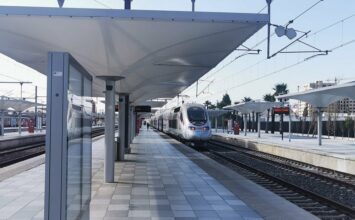
Article : Pour près de 395 MDH, ce sera Urbagec/Separator qui construira la future gare LGV de l’aéroport de Casablanca
Le marché porte sur le lot 4 du projet, dédié à la construction de la gare ferroviaire de l’aéroport Mohammed V. Cinq candidats étaient en lice, dont SGTM, Sogea Maroc et Construction Management Services, pour une estimation initiale fixée à 380 millions de DH hors taxes.
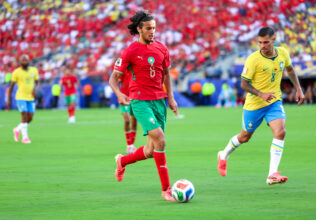
Article : Mondial 2026. Analyse de la masterclass d’Ayyoub Bouaddi
Le milieu de terrain a éclairé le jeu de l’équipe nationale face au Brésil, en match d’ouverture du groupe C. Mais il a aussi apporté un précieux équilibre grâce à son activité défensive. Sa permutation avec Neil El Aynaoui à la mi-temps y a grandement contribué.
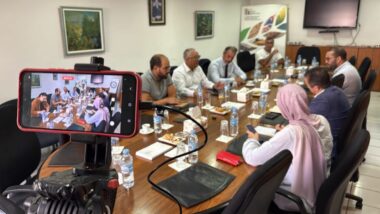
Article : Grain Vision Morocco, le think tank qui veut mieux anticiper les chocs céréaliers
Derrière le prix du pain, les importations et les stocks, la filière veut imposer une approche plus technique de la sécurité alimentaire. Porté par la FNCL, ce nouveau laboratoire d’idées entend fournir aux pouvoirs publics des données sur les récoltes, la qualité des blés, les capacités de stockage et les besoins du marché.

Article : Mondial 2026 : de Times Square aux taxis jaunes, le Maroc pousse sa destination à New York
À un an de la compétition nord-américaine, l’ONMT déploie "Morocco, Kingdom of Light" sur écrans géants, en animations de rue et sur plusieurs dizaines de véhicules, avec un objectif clair : transformer l’exposition du football en levier de notoriété touristique auprès des visiteurs, des habitants et des réseaux sociaux.
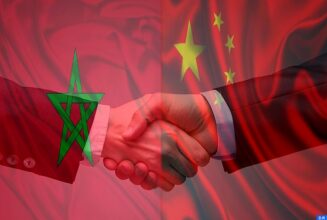
Article : Maroc-Chine : un accord de libre-échange est-il vraiment dans notre intérêt ?
Pékin a déjà supprimé ses droits de douane sur les produits marocains jusqu’en 2028. En retour, Rabat est désormais invité à ouvrir davantage son propre marché. Mais derrière la promesse de prix plus bas et d’intrants moins chers, les chiffres imposent la prudence : en 2025, le Royaume a importé 114,1 MMDH de produits chinois, contre seulement 3,8 MMDH exportés vers ce marché. Analyse.
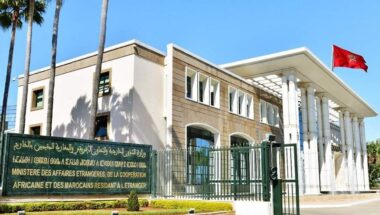
Article : Accord États-Unis-Iran : le Maroc soutient l’accord et appelle au respect de ses engagements
Le ministère marocain des Affaires étrangères a qualifié l’accord entre les États-Unis et l’Iran d’étape importante pour la stabilité régionale, appelant à la prompte mise en œuvre et au plein respect de cet accord.