
Protecting Child Workers During the Pandemic
DHAKA – It is already apparent that the impact of the COVID-19 pandemic will be uneven, with poorer countries bearing the brunt of the fallout. This includes the 1.2 million children in Bangladesh who are engaged in the harshest forms of child labor. In such uncertain times, these children – and millions of others elsewhere – are even more vulnerable to exploitative and hazardous work.
The reason is simple. When major global retail outlets canceled orders due to lockdown-related cutbacks, the production of low-cost fashion in much of the world came to a standstill, leaving many garment workers in the Global South without an income. Since March, Bangladesh’s exports of leather goods have declined by 22%. The country’s footwear-manufacturing industry, the world’s eighth largest, has also been affected, with exports down by 50% since the pandemic began.
With leather-goods producers facing canceled orders and restrictions to slow the transmission of COVID-19, the unregulated informal sector has become much more competitive, with factory owners targeting children as cheap labor. In the informal leather sector, children often work long hours for little or no pay, frequently doing work that is physically and psychologically harmful and dangerous jobs during the production process. But despite the risks, most children rely on such employment to support themselves and their families.
Now, tanneries are slowly resuming production, and raw materials are being channeled to factories filling new international orders, leading to a relative scarcity of materials for domestic production. This creates another opening for leather producers in the unregulated informal sector. Their ability to step in to meet domestic demand depends on the further exploitation of children.
Bangladesh does have laws and policies to address hazardous and exploitative child labor. But policy gaps exist – the Bangladesh Labor Act, for example, does not cover the informal sector.
Here, international brands and corporations have an opportunity to help. Global retail outlets must recognize not only the immediate financial impact of canceling orders, but also the unintended consequences for both the formal and informal sectors.
This means approaching the problem holistically, with established brands and their customers being well informed about where, how, and by whom goods are produced. Brands need to take responsibility for ensuring ethical behavior throughout their supply chain. Stricter monitoring is necessary to guarantee that all suppliers, international and local, meet the same standards in terms of labor codes and working conditions. And a transparent system is needed for tracking the sources of raw materials and ensuring that children are not used in bonded labor or working in hazardous conditions.
While plenty of initiatives to protect child workers have been undertaken in recent decades, they often fall short. Tracking the long supply chain is difficult, so a culture of violence at its origin persists, sustained by structural inequalities that constant global demand for cheap products embeds in the production process.
Having to comply with a monitoring regime would prevent suppliers from subcontracting their work to informal, often unregulated companies in which workers, including many children, labor in harmful and hazardous conditions. Responsible brands could also implement the “positive deviance” approach, publicly sharing their ethical business strategies and practices, which may encourage other brands to investigate their own practices in turn.
Furthermore, relevant government agencies, civil-society groups, and private-sector organizations must focus on enforcing existing policies and protecting children’s rights. Both international and local brands need to be held accountable regarding their duty to care for children. All businesses should adhere to a minimum-age requirement, maintain standard working hours, and guarantee safe workplace conditions. To ensure compliance, businesses employing children must have a multi-stakeholder consultation system in place, including representatives from the government, civil society, human-rights organizations, and academia, as well as social workers.
Finally, to protect children from harmful work and modern slavery in industries like leather goods requires listening to children themselves. Children are rarely involved in workplace decision-making, especially during shocks like the COVID-19 pandemic, when they are more likely to be subjected to hazardous conditions. Learning from them about their experiences at all stages of the production process can be pivotal in improving their well-being.
The pandemic has exposed the intricacies of global supply chains and the vulnerability of the people working within them. Even in normal times, children are vulnerable to exploitation by unregulated, informal firms, which will pick up business where other firms cannot. But now this risk is greater than ever.
Understanding global supply chains and the impact of sudden changes on the vulnerable people who form their links is crucial. Advocates and policymakers must devise and implement robust accountability systems to uphold the rights of the millions of children – in Bangladesh and globally – who must work.
à lire aussi
Article : Le Nouvel an de l'hégire (1er Moharram) sera célébré ce mercredi 17 juin au Maroc
Le 1er Moharram de la nouvelle année de l’Hégire 1448 correspondra au mercredi 17 juin 2026, a annoncé le ministère des Habous et des affaires islamiques.
Article : Adouls : la Cour constitutionnelle valide l’essentiel de la réforme, mais écarte plusieurs dispositions
Saisie par 93 députés avant la promulgation du texte, la Cour a déclaré non conformes des articles touchant aux incompatibilités professionnelles, aux personnes en situation de handicap, au témoignage collectif dit “lafif” et à l’organisation des instances représentatives. Le texte devra donc être corrigé sur ces points, sans remettre en cause le cœur de la nouvelle loi 16.22.
Article : En commission, les conseillers votent la nationalisation de la Samir et le plafonnement des hydrocarbures
Deux propositions de loi portant sur les hydrocarbures et la Samir ont été récemment adoptées en commission à la Chambre des conseillers. Un vote "surprise" rendu possible par un rapport de forces numérique défavorable à la majorité, lors d’une séance où l’opposition était majoritaire en nombre. Si ces textes ont franchi l’étape de la commission, leurs promoteurs sont conscients qu’ils ont peu de chances d’être adoptés en plénière.
Article : Retail : la guerre silencieuse pour conquérir le panier des Marocains
Pendant longtemps, les courses du quotidien se sont surtout jouées entre l’épicier du quartier, le grossiste et quelques grandes surfaces. Ce modèle commence à se fissurer. Entre fusion capitalistique, rachats d’enseignes, master-franchises, centrales d’achat, logistique commune et formats de proximité, les grands opérateurs installent peu à peu des réseaux capables d’accompagner le consommateur du café du matin aux achats du week-end. Non sans bousculer les équilibres.
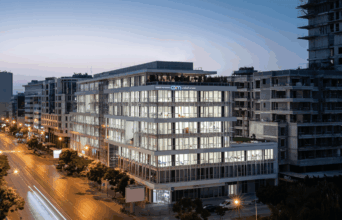
Article : Crédit du Maroc : ce que cache l’augmentation de capital à 699 MDH
Depuis son passage sous le contrôle de Holmarcom, Crédit du Maroc a changé de rythme. La banque affiche des bénéfices en hausse, prépare son plan CDM Boost 2028, et propose désormais à ses actionnaires de suivre le mouvement via une opération ouverte du 26 juin au 16 juillet. Derrière le prix fixé à 938 DH par action, le marché devra surtout juger si cette nouvelle étape confirme une trajectoire ou ouvre un pari plus large. Décryptage.
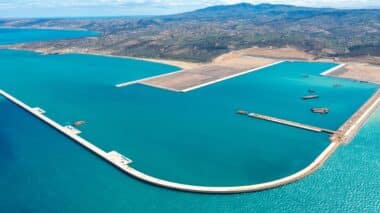
Article : Nador West Med : derrière le port, le pari industriel de l’Oriental
ROUND UP. Prévu pour entrer en service fin 2026, Nador West Med se construit déjà au-delà de ses quais : routes dédoublées, future autoroute vers Guercif, projets chinois dans l’éolien, les pneus et les alliages, ambition énergétique autour du GNL et de l’hydrogène vert. L’enjeu est désormais de transformer cette infrastructure en véritable moteur économique régional.