
Defense: a strategic overhaul of the Royal Air Forces to strengthen national air control
For a long time, the debate over the balance of air power between Morocco and Algeria has revolved around a familiar dichotomy: technological superiority versus numerical mass. Yet the rapid evolution of the geopolitical and technological landscape in North Africa now calls for a rethinking of this paradigm. Explained.
The Essentials
- Technological superiority is no longer sufficient to offset a force ratio that can reach one to four without force multipliers, with AWACS at the forefront.
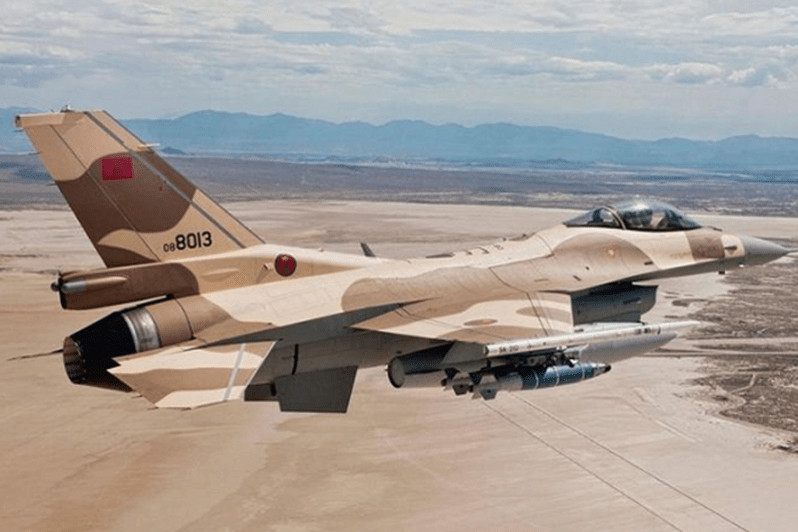
- Morocco’s choice of a homogeneous fleet of around fifty modern F‑16s ensures a high level of operational mastery, but now calls for expanded training capabilities and diversified vectors.
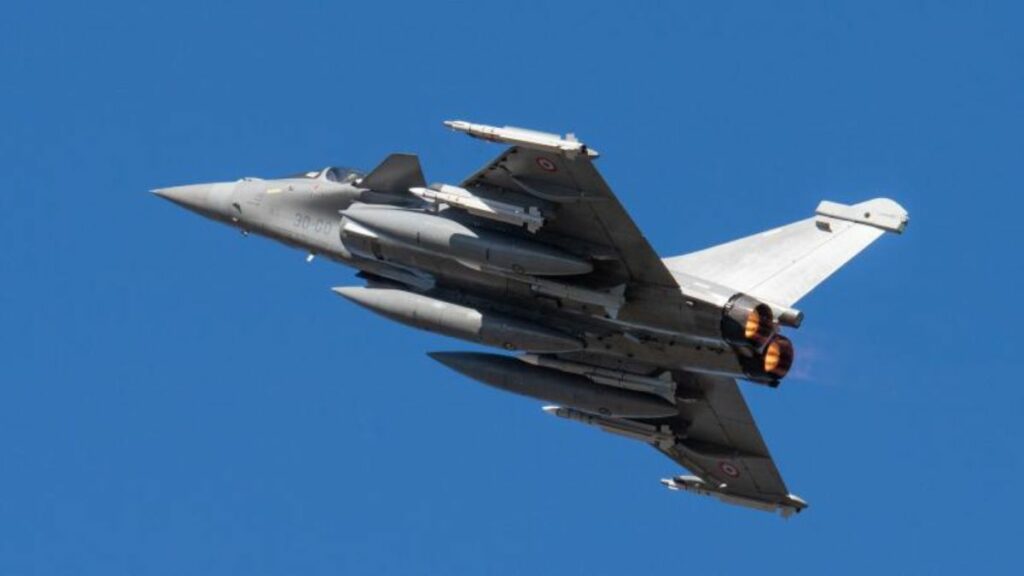
- The acquisition of a heavy fighter such as the Rafale, along with an advanced early‑warning aircraft, would enable Morocco to strengthen its deterrence, air‑interdiction, and long‑range sovereignty capacities.
- A model combining Rafale, F‑16 Viper, and low‑cost light fighters would provide the Royal Moroccan Air Force with a balanced, credible fleet suited to both high‑intensity engagements and daily missions.
-oOo-
The Details
In modern air doctrine, the long‑held belief that technological quality can systematically compensate for a significant numerical deficit is undergoing a profound reassessment.
According to our military consultant Abdelhamid Harifi, opposing technological superiority to numerical superiority is no longer relevant.
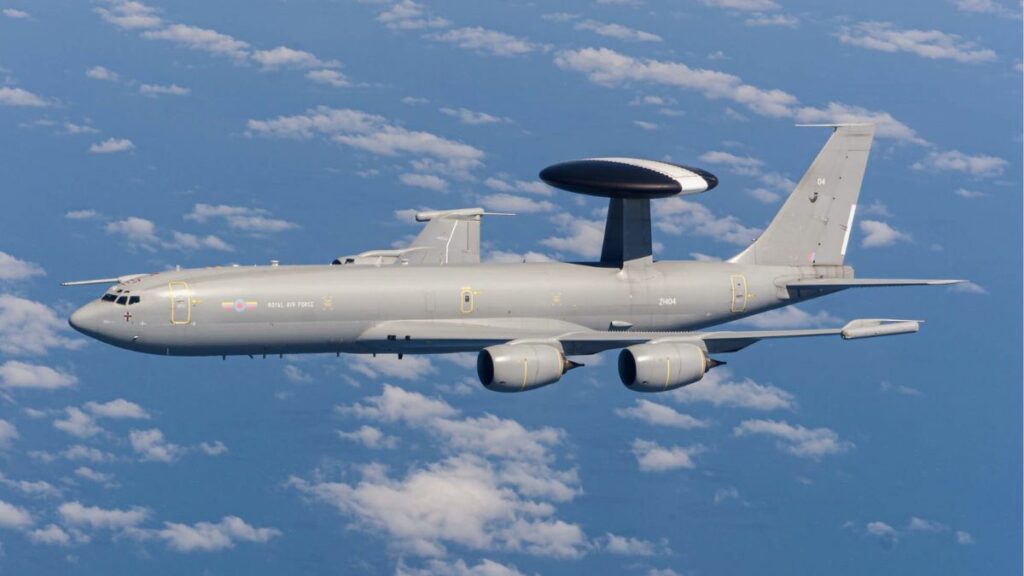
Historically, a quantitative gap could be tolerated as long as the force ratio did not exceed 1 to 2 — for example, 50 fighters facing 100. Within these limits, the imbalance could be offset by superior onboard technologies. This tolerance threshold may eventually extend to 1 to 2.5, but only under one strict and essential condition: the possession and integration of effective force multipliers, with advanced detection platforms such as AWACS and ASR reconnaissance systems at the forefront. Without these coordination and long-range detection capabilities, a purely numerical asymmetry becomes tactically insurmountable.
Indo-Pakistani Confrontation: A Doctrinal Demonstration
The relevance of this analysis was illustrated by one of the recent aerial confrontations between Pakistan and India. This case study demonstrates how a force multiplier can radically transform the combat equation, even in a situation of double inferiority. In this engagement, Pakistani forces were half as numerous as the Indian forces involved, while also facing an overall technological inferiority in their fighter fleet.
To neutralize this dual handicap, Pakistan’s strategy relied entirely on the use of its Saab-supplied AWACS. Tactically, the role of the air forces unfolded as follows:
– Radar silence and emission control: the AWACS was used to saturate or bypass enemy detection capabilities, allowing Pakistani fighters to completely switch off their own active radars and remain undetectable.
– Centralization of tactical control: mission control was fully delegated to the radar aircraft. The AWACS was responsible for target spotting, early detection, and precise target designation.
– Fighters reduced to passive firing vectors: Pakistani fighter jets did not play a traditional active role in combat. They operated as simple remote platforms, essentially acting as "missile launchers," using coordinates provided by the AWACS to fire their munitions in a fully passive mode.
This approach created a surprise effect that paralyzed the Indian response. Indian pilots only became aware of the imminent threat and detected the incoming missiles once they entered their direct field of vision, that is, within visual range. "At such distances and at supersonic speeds, evasive maneuvers are impossible," notes Abdelhamid Harifi.
This tactical precedent changes the perception of regional power balances. Experts and analysts closely monitoring military dynamics can no longer rely solely on the argument of presumed technological superiority to downplay the importance of numerical mass. Faced with a rising quantitative advantage from an adversary, fighter technology alone is no longer sufficient to guarantee invulnerability or air superiority.
Algerian Inventory: Quantitative Mass vs Qualitative Challenges
To objectively assess the regional air power balance, it is necessary to coldly analyze the adversary’s capabilities without underestimating their impact. "Even when assuming a theoretical attrition ratio of 50% against Moroccan air combat and air defense (DCA) capabilities, the overall numerical strength of the Algerian Air Force remains, due to its sheer volume, a huge pressure factor," says Abdelhamid Harifi.
The frontline combat fleet historically relies on Russian platforms, divided into several segments:
– Sukhoi Su-30MKA: Algeria operates around 60 aircraft of this type, after deducting losses from confirmed accidents. These air-superiority platforms employ the medium-range R-77 air-to-air missile, a weapon whose operational use has been observed in the Ukrainian theater.
– MiG-29 and MiG-29M/M2: Out of nearly 40 MiG-29s, Algeria has integrated 26 recently acquired MiG-29M/M2s, delivered around 2020. This acquisition has enabled the Algerian Air Force to gain access to operational active electronically scanned array (AESA) radar technology, as well as its first laser designation pod for guided weapons (guided bombs). However, the actual effectiveness of these Russian targeting systems remains questionable: experience from the conflict in Ukraine shows that Russian bombers often conduct attack runs at very low altitudes to visually identify their targets, without using these pods, raising doubts about the actual reliability of this equipment.
– The Sukhoi Su-35 controversy: Algeria acquired the fleet of Su-35s initially produced for Egypt, which Cairo rejected for fear of US sanctions related to the CAATSA law. These aircraft remained grounded on the tarmac for several years before being offered to Iran, which also rejected them due to their technical condition, and were eventually acquired by Algiers. While some sources mention 15 aircraft, the actual number is closer to 25 units, corresponding to the entire Egyptian batch. "If these aircraft had significant operational value, the Russian military would have deployed them for its own urgent requirements on the Ukrainian front rather than leaving them in storage while waiting for a buyer. Moreover, several Su-35s have been shot down by Ukrainian air defenses, highlighting their vulnerability to modern surface-to-air systems," recalls Abdelhamid Harifi.
– The Sukhoi Su-57 under scrutiny: Sources report an order for 12 fifth-generation aircraft, and two units have been photographed flying under Algerian colors. However, this program remains in the development phase and suffers from documented engine defects. Its actual stealth capabilities are also contested, a conclusion supported by its operational record in Syria and Ukraine, as well as by a detailed examination of its structure during a public presentation at an aviation show in China.
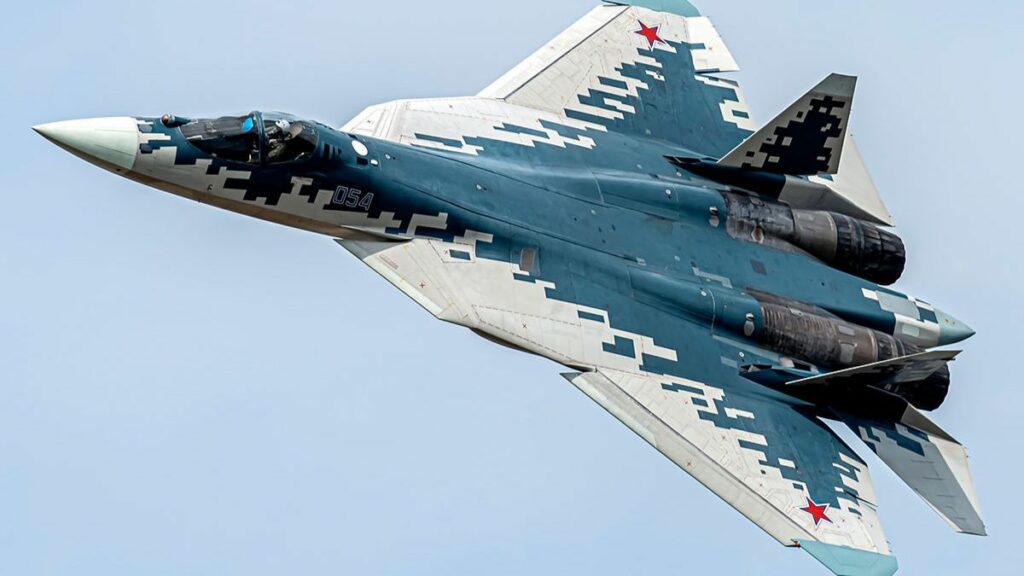
Algeria maintains a ground-strike capability with around forty modernized Sukhoi Su-24s and Su-34s. However, these heavy tactical bombers are considered "too traditional." Operations in Ukraine have demonstrated their limitations. "Faced with dense air-defense networks, these conventional bombing missions have failed, forcing the Russian high command to drastically restrict the use of its fighter-bombers in favor of drones, in order to limit material and human losses that have become unsustainable."
Russia’s current inability to fulfill its arms supply contracts due to its war effort is pushing Algeria to diversify its suppliers in order to replace its aging MiG-29 fleet:
– Acquisition of J-10C: Acquisition of the J-10C: This Chinese medium fighter is actively being considered, with Beijing guaranteeing extremely short delivery times, starting next year.
– The J-31 (fifth generation): Algeria could consider this program in the medium term, with deliveries to export customers like Pakistan or the UAE expected from 2028 onwards.
– Chinese force multipliers: Algeria’s target force structure would include the acquisition of three to four KJ-500 AWACS aircraft. The major risk lies in China’s ability to integrate data links enabling its AWACS platforms to simultaneously assume tactical control of the entire Russian- and Chinese-origin fleet. Such a system would ultimately allow Algeria to field a coherent fleet of 200 to 220 fighter jets supported by three operational force multipliers.
Morocco Facing the Challenge of Numbers: A Technologically Advanced but Limited Fleet
The current roadmap of the Royal Moroccan Air Force (RMAF) is based on a highly rationalized doctrine, favoring technological homogeneity and platform versatility over raw mass. However, by 2030, the implementation of this modernization plan will place Morocco before a complex numerical reality, characterized by a fleet of around 50 operational fighters facing an adversary capable of deploying up to four times as many aircraft.
Morocco’s combat aviation concentrates its resources on a single high-performance platform:
– The current fleet and mastery of guided weapons: Morocco relies on a core fleet of 23 F-16 Block 52 aircraft. Unlike its adversary, which is only beginning to use targeting pods, Morocco has mastered this technology and the use of precision-guided bombs since the early 2000s, ensuring a high level of tactical expertise.
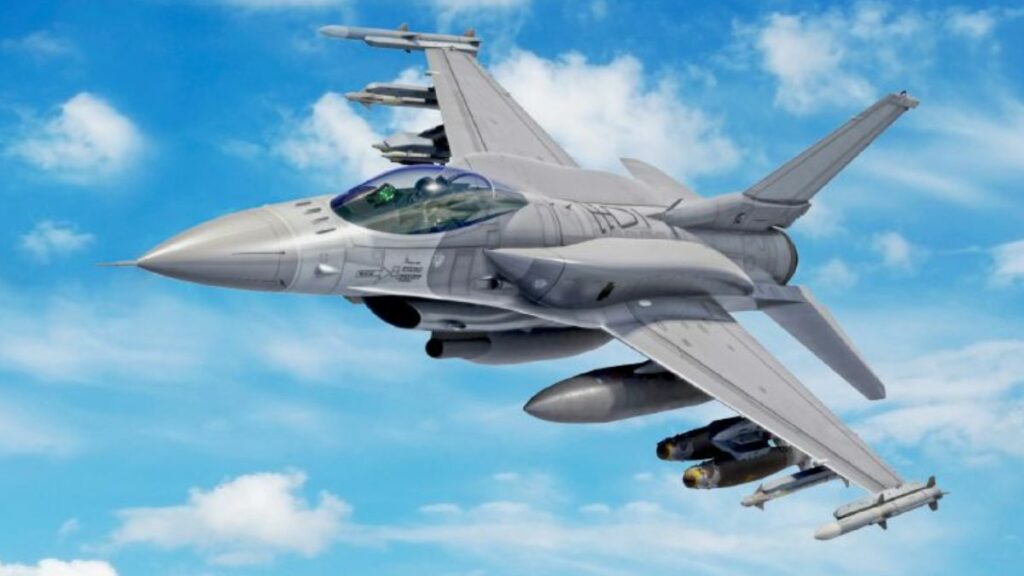
– The contribution of the Block 72 standard (Viper): The Royal Moroccan Air Force has ordered 25 new F-16 Block 72. These aircraft will introduce active electronically scanned array (AESA) radar technology into the Moroccan fleet starting in 2027.
– Standardizing the fleet: In parallel with this delivery, the 23 Block 52 aircraft currently in service will be upgraded to the Viper standard, bringing the entire F-16 fleet to a uniform technological level.
The transition to a homogeneous fleet implies the planned retirement of legacy platforms:
– Mirage F1: The 20 Mirage F1 aircraft currently in service will be phased out of the order of battle upon the delivery and entry into operational service of the first F-16 Block 72 aircraft.
– Northrop F-5 Tiger III: Around 20 units of this light fighter remain operational. They currently perform air policing missions but are primarily configured for close air support (CAS) and ground support tasks. Their definitive withdrawal is expected in the short term and will lead to a transfer of capabilities. Their advanced training and light attack missions will be entrusted to a new light training and attack platform, while their close air support and ground support roles will be transferred to the Apache combat helicopter fleet currently being delivered.
By opting for an “all-F-16” approach, Morocco will have a fleet of around 50 modern fighters, homogeneous and fully mastered. However, this choice of pure quality faces a critical quantitative reality. Against the nearly 200 Russian-origin aircraft fielded on the other side of the border — a figure that could reach 200 to 220 modern fighters and 3 to 4 AWACS in the event of a successful Chinese pivot by the adversary — the raw force ratio would stand at 1 to 4. “Even with individual technological superiority on each aircraft, this numerical gap represents a strategic challenge for territorial defense planning in the event of a high-intensity engagement,” according to our military consultant.
Towards a New Moroccan Air Doctrine
Four complementary strategic paths could be considered to build a defense capability that is both efficient and balanced.
Rebuild and expand the training system
The introduction of next-generation platforms only makes sense if it is accompanied by a proportional development of human capital. In this perspective, tripling training capacities could be particularly beneficial:
– Transition to an academy model: A relevant option would be to expand the Royal Air School (ERA) or consider transitioning it to an extended academy model. Such a structure would allow for the diversification of pilot officer profiles (fighters, transport, helicopters) and mechanics, while tailoring training to the specific needs of each platform.
– Mutualization of initial curricula: Unifying the initial training phase of helicopter and transport pilots could be advantageous. This common path would offer the opportunity to select profiles from the transport sector to crew combat helicopters, thus avoiding the need to draw from the fighter pilot quota during annual training cycles.
– Learning from historical precedents: To expand the recruitment pool, the Royal Moroccan Air Force (RMAF) could draw inspiration from the reforms of the 1960s and 1970s. Faced with a shortage of pilots and technicians, the integration of army officers through accelerated certification programs had yielded excellent results. Applied today from the training phase, this diversification of recruited profiles would increase the size of the pool from which fighter pilots are selected.
Diversify the fleet with a second heavy sovereignty vector
To preserve its strategic autonomy and broaden its response options, Morocco would benefit from diversifying its sources of supply to avoid dependence on a single manufacturer.
– The Rafale option: The possibility of an aeronautical agreement with France, feasible by next fall, presents elements of credibility. However, to constitute an autonomous deterrence force, an initial fleet of 12 to 18 aircraft could prove limited. Abdelhamid Harifi suggests that a target fleet of at least 24 aircraft would offer better operational coherence.
– A mixed acquisition: Given Dassault Aviation's current workload, a formula combining new and used aircraft could be explored to reduce delivery times.
– The operational profile sought: Opting for a heavy twin-engine fighter, equipped with a strong air-to-air payload and optimized to integrate the latest-generation Meteor and MICA NG missiles, would provide the Royal Moroccan Air Force (RMAF) with a particularly dissuasive long-range air interdiction and sovereignty capability.
AWACS, a strategic decision to be made without delay
The introduction of an early warning system should no longer be seen as a mere prestige expense or a “financial drain,” but rather as a major operational necessity to compensate for numerical asymmetry and regional technological developments.
A regional economic and political power would expose itself to a certain degree of vulnerability in the short term if it did not possess military and air capabilities commensurate with its ambitions and financial standing.
Structure a low-cost mass segment (high-low mix)
To meet the challenge of numbers in an economically viable manner, the fighter fleet could advantageously integrate a third, more affordable intervention tier:
– The JF-17 (Block 3) alternative: This Pakistani light fighter offers interesting prospects, notably through the possibility of local production subject to negotiated technology transfer.
– Tailored training: This type of aircraft would allow for the creation of a dedicated training program, less costly than that of frontline fighters.
– Pursuing mass: A target volume of around fifty units of this type could be considered. The integration of systems from the Kingdom’s traditional partners, whether for propulsion or armament, on this airframe would allow the deployment of a versatile platform capable of conducting zone patrol and ground support missions (ground support/CAS), while helping to bridge the numerical gap with the adversary.
In the long term, the Royal Moroccan Air Force could develop a three-tier fleet architecture built around an advanced detection component (AWACS):
– A heavy air superiority vector (such as the Rafale): A twin-engine aircraft primarily dedicated to high-intensity air-to-air and interdiction missions, while retaining secondary ground-strike capabilities.
– A penetration and bombing vector (F-16 Viper): A platform optimized for large-scale air-to-ground missions, particularly suppression of enemy air defenses (SEAD) and strategic precision strikes, employing sophisticated guided munitions proven in combat.
– An economical versatile vector (such as the JF-17): A rugged aircraft designed to provide mass and daily mission capability at a controlled operating cost.
This model would also follow a budgetary efficiency logic: using precision munitions from the F-16 or air-to-air missiles from the Rafale (Meteor/MICA NG) represents a considerable financial investment. Integrating a low-cost mass operational vector would prevent the use of these high-end systems for secondary or low-intensity missions. Such a structure would provide the Kingdom with a balanced, economically viable, and fully credible air posture.
This text reflects a personal analytical effort by our consultant.

à lire aussi

Article : Rahhou veut miser sur l'IA pour renforcer la transparence des marchés
Monographies sectorielles actualisées chaque année et nouvelles règles sur les échanges d'informations. Le Conseil de la concurrence entend mettre les mêmes données à la disposition des opérateurs en place et des nouveaux entrants.

Article : Maroc-Banque mondiale : 15 milliards, mais pour quels emplois ?
Prévu jusqu’en 2035, le nouveau partenariat entre le Royaume et l'institution de Bretton Woods doit orienter les interventions de la BIRD, d’IFC et de la MIGA vers la compétitivité des entreprises, les territoires et le capital humain. Mais les financements restent indicatifs et leur impact difficile à isoler.

Article : Drâa-Tafilalet peut-elle réussir son virage minier ?
Riche d’un sous-sol exceptionnel et d’un savoir-faire ancestral, la région de Drâa-Tafilalet, qui assure plus de 40 % de la production minière nationale hors phosphates, se positionne aujourd'hui comme la nouvelle frontière de l'investissement minier au Maroc. Entre la modernisation du modèle artisanal de la CADETAF et l'arrivée de grands opérateurs internationaux, le défi est désormais de structurer une chaîne de valeur durable et de lever les obstacles logistiques pour hisser ce territoire au rang de géant minier national.

Article : Sawti, la plateforme qui veut réconcilier jeunes et MRE avec la politique
Disponible en neuf langues, dont la darija, l’outil permet de vérifier son inscription électorale, de comparer les partis et leurs positions, puis d’accéder à des quiz fondés sur des sources vérifiables.
Article : Feu vert à l'entrée d'Ayrad et de la CIMR dans le capital de CMT
Le Conseil de la concurrence a autorisé la prise de contrôle conjointe du groupe minier, dont 37,04% seront détenus indirectement par Ayrad, aux côtés des 16,12% conservés par la Caisse interprofessionnelle marocaine de retraite. L’opération doit désormais déboucher sur une offre publique d’achat obligatoire.
Article : Taroudant : à Ouneine, les Canadair freinent un incendie de plus de 100 ha
Environ 150 intervenants restent mobilisés face aux fumerolles et aux foyers résiduels, attisés par la chaleur et le vent. Aucune victime n’est à déplorer et les douars voisins ne sont pas menacés.