
Electric batteries: Gotion’s Kenitra plant set to start production in August 2026
The Chinese manufacturer is refining the timeline for its Moroccan gigafactory, set to become one of the major industrial links in electric mobility between Morocco and Europe. In Kenitra, recent hiring efforts already point to the project entering an advanced preparation phase.
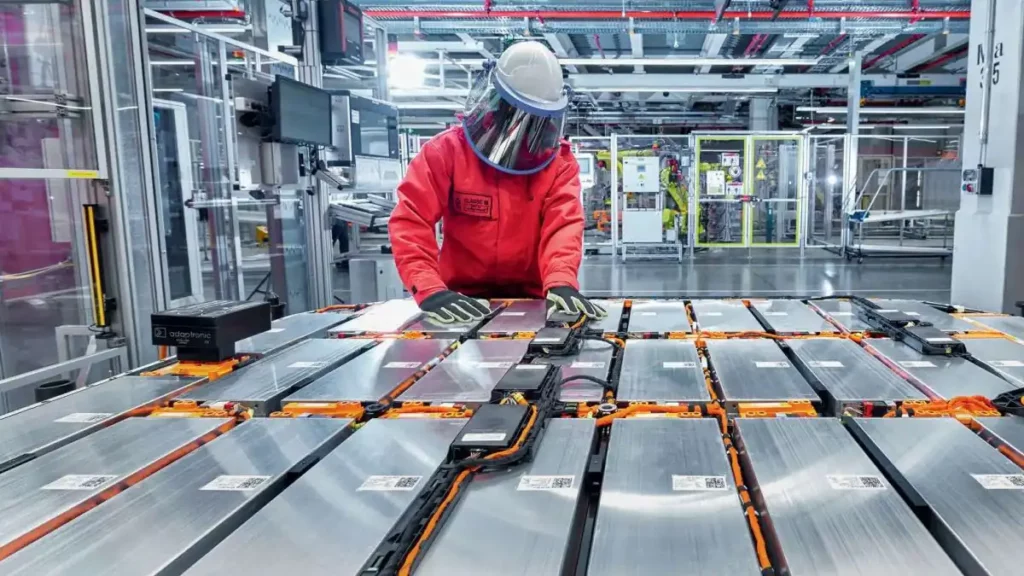
Gotion High-Tech’s Moroccan plant in Kenitra is expected to start production in August 2026, according to a research note by Chinese brokerage firm BOCOM International published on May 6, 2026. The note refines a timeline that had previously been presented more broadly around the third quarter of 2026.
This date gives a more precise horizon to one of Morocco’s most emblematic industrial projects in the electric battery sector. The strategic investment agreement was signed in June 2024 in Rabat, for an initial investment of 12.8 billion dirhams, with the announced creation of 17,000 direct, indirect and induced jobs, including 2,300 highly qualified positions. The site, located in Kenitra, is the first gigafactory of its kind in Morocco and, more broadly, in the Middle East and Africa region.
Kenitra enters the battery value chain
The first phase of the project is expected to have a capacity of 20 GWh, before a gradual ramp-up to larger volumes. The Moroccan plant is due to produce batteries as well as elements used in their composition, including cathodes and anodes, with a strong focus on European markets. The project thus positions Morocco on a more integrated segment of the electric vehicle value chain.
This move up the value chain is already taking shape on the ground. Several hiring campaigns have been launched for the Kenitra site, including production and manufacturing workers at the Atlantic Free Zone, procurement roles, as well as positions related to human resources, administration, general services and industrial processes. These recruitments outline an advanced preparation phase, with the gradual formation of the teams expected to support the site’s industrial launch.
For Morocco, the stakes go well beyond the industrial investment itself. Gotion’s project is part of a broader strategy to make the Kingdom a platform in the electric battery value chain, building on an automotive industry already structured around Renault, Stellantis and a dense network of suppliers. The objective is to consolidate this industrial base while adapting it to the new geography of the electric vehicle industry, as European markets accelerate their transition.
A Moroccan anchor in Gotion’s global strategy
The BOCOM International note also places the Moroccan plant within Gotion’s global strategy. The group is accelerating the deployment of production capacity outside China, with Morocco, Vietnam and a planned plant in Slovakia in the first half of 2027. By the end of 2027, its international production capacity could reach around 40 GWh. In this industrial architecture, the Kenitra site appears as one of the anchor points of the group’s international development, particularly toward the European market.
Gotion is also targeting battery deliveries of 150 GWh in 2026, an increase of around 50% year-on-year. Volkswagen is expected to become a major growth driver, with deliveries potentially exceeding 10 GWh this year, following the first deliveries made in November 2025.
On the financial side, BOCOM International expects the group’s profitability to remain under pressure in the second quarter of 2026, mainly due to rising raw material prices, before gradually improving from the third quarter thanks to better cost pass-through to customers. The brokerage firm maintains its buy recommendation on Gotion High-Tech shares, with a target price of 54.84 yuan.

à lire aussi

Article : Coupe du monde 2026. Qualification héroïque du Maroc face aux Pays-Bas (1-1, 3 t.a.b. à 2)
Menés à un quart d’heure du terme, les Lions de l’Atlas ont trouvé les ressources mentales nécessaires pour égaliser grâce à Issa Diop, puis éliminer les Oranjes lors de la séance des tirs au but, dans la nuit du lundi 29 au mardi 30 juin, à Monterrey, au Mexique. Yassine Bounou et Ismaïl Saibari ont propulsé le Maroc en huitièmes de finale face au Canada, samedi 4 juillet à Houston.

Article : Coupe du monde 2026. Centième sélection pour Achraf Hakimi face aux Pays-Bas
Le capitaine des Lions de l’Atlas portera le maillot du Maroc pour la 100e fois de sa carrière, dans la nuit du lundi 29 au mardi 30 juin, face aux Pays-Bas, en seizième de finale de la Coupe du monde 2026. Titularisé par Mohamed Ouahbi, Hakimi n’est plus qu’à 15 sélections pour égaler le record de Noureddine Naybet.

Article : GMT, interdiction du démarchage, IA : la triple peine de l’offshoring marocain
Longtemps porté par les donneurs d’ordre européens et les centres d’appels, le secteur de l’offshoring au Maroc doit désormais composer avec des horaires à réorganiser, des appels commerciaux de plus en plus encadrés en France et des tâches que les logiciels commencent déjà à automatiser. Les grands opérateurs invoquent l’adaptation et la montée en gamme, tandis que les syndicats redoutent moins d’embauches et davantage de postes supprimés.
Article : Maroc-Pays-Bas : les cafés pourront rester ouverts pour diffuser le match
Selon Ahmed Bifergane, coordinateur de la Fédération nationale des propriétaires de cafés et restaurants, aucune interdiction n’a été émise par les autorités pour la nuit du lundi 29 au mardi 30 juin.
Article : Défense : les F-16 marocains concernés par un nouveau contrat américain sur les missiles AMRAAM
Attribuée à Raytheon pour 398,6 millions de dollars, l’enveloppe porte sur des travaux liés au système D4/C9, avec une échéance fixée à décembre 2027. Le Maroc figure parmi les pays partenaires du dispositif FMS, aux côtés notamment des Émirats arabes unis, de l’Arabie saoudite, du Japon, d’Israël et du Royaume-Uni.
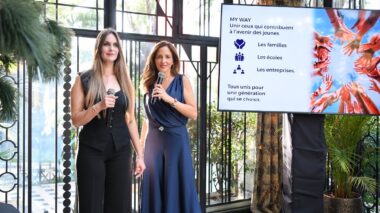
Article : My Education lance “MY WAY”, un programme dédié aux compétences du XXIe siècle
Destiné aux jeunes de 9 à 16 ans, le dispositif combine des activités régulières, des bootcamps, des stages immersifs et des interventions en milieu scolaire.