
OCS-USM Alger. Once again, Moroccan hospitality meets violence
It was thought the authorities had learned the lessons of the 2025 AFCON final, but that is evidently still not the case. Al Massira Stadium in Safi was engulfed in chaos on Sunday, April 19, as violence by part of the visiting support erupted ahead of the second leg of the Confederation Cup semi-final between Olympique Club de Safi and USM Alger.
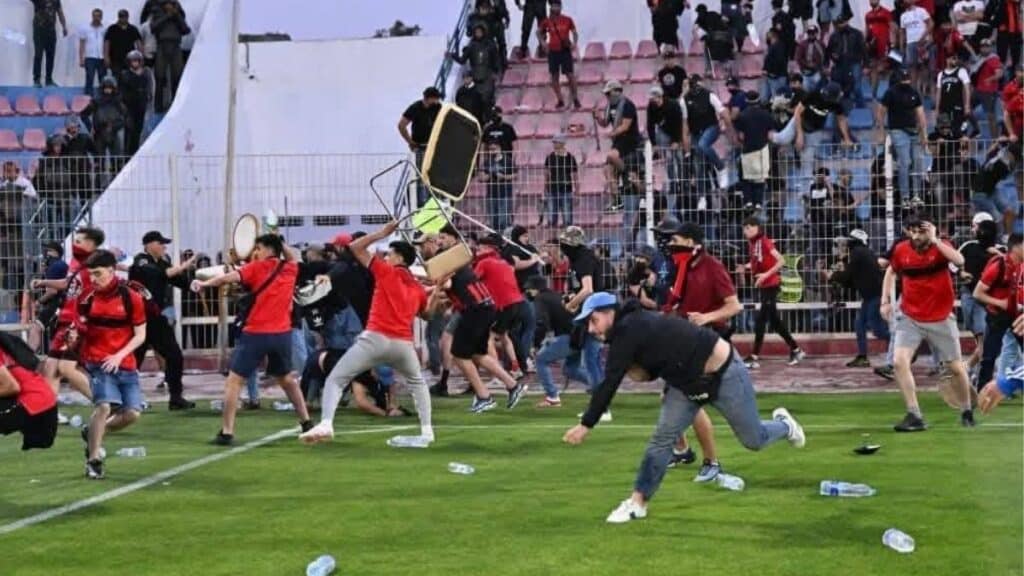
The atmosphere at the match, already electric, spiraled into chaos a few minutes before kick-off. In an outbreak of violence, supporters of the Algerian club broke through security barriers to physically attack organizers, security personnel, as well as young ball boys on the touchline.
Part of the Safi crowd then stormed the pitch to confront them. This led to a tense standoff when USMA players returned to the locker rooms, refusing to return to the pitch, causing a delay of one hour and 20 minutes.
The stadium’s infrastructure suffered significant damage amid attacks by visiting supporters. Footage shows seats systematically torn out by some USMA fans before being used as projectiles.
The medical team had to intervene urgently to treat a Moroccan journalist, seriously injured in the head after being targeted while carrying out his duties.
أعمال شغب من طرف جماهير اتحاد العاصمة الجزائري تسفر عن إصابة مصور صحفي مغربي، خلال مباراة إياب نصف نهائي كأس الكونفيدرالية الإفريقية #SNRTnews #اتحاد_العاصمة #آسفي #كأس_الكونفيدرالية #كرة_القدم pic.twitter.com/N51EarXXdD
— SNRTNews (@SNRTNews) April 19, 2026
According to Moncef El Yazghi, an expert in sports policy, the chaos caused by USM Alger supporters in Safi is not an isolated incident. It is the direct result of a climate of sustained hostility and shortcomings in international media coverage.
In an exchange with Médias24, the expert explains that what happened at El Massira stadium forms part of a broader pattern. He describes a state of "frenzy", even "heightened agitation", that now accompanies Algerian supporters during away trips. He recalls that such fanatical and unrest-prone behavior had already been observed during the Africa Cup of Nations, notably during the quarter-final against Nigeria in Marrakech. For him, the stadium is a reflection of deeper tensions.
The role of Algerian media also raises questions. While Moroccan public media refrain from any hostility, the Algerian press is said to broadcast daily narratives of hostility, slander and misinformation about Morocco.
"This constant barrage can only produce a public that sees Morocco as an enemy," he says. Such rhetoric, he argues, helps explain the audacity of a small group (estimated at between 200 and 500 individuals) able to storm the pitch and attack photographers and Moroccan supporters in a stadium of 10,000 people.
Our interlocutor also blames broadcasters, particularly beIN Sports, arguing that the channel lacked objectivity due to camera positioning.
By focusing exclusively on the center of the pitch, the broadcaster showed Moroccan supporters approaching from the left, obscuring the true origin of the confrontation. "The incident began on the right-hand side of the press stand, an area not captured by the cameras," he explains. This framing presented the Moroccan response without showing the initial aggression by visiting supporters against journalists and spectators.
A striking contrast is also observed between the two countries in terms of hospitality and symbols:
- Flags: Morocco chose to raise the Algerian flag during matches in Safi, although not required by CAF regulations. By contrast, the Moroccan flag was completely banned during the two matches played in Algeria.
- Access to territory: Morocco maintained an open-door policy, allowing Algerian supporters to enter without a visa. Conversely, Moroccan supporters are unable to travel to Algeria due to political restrictions.
For El Yazghi, Morocco’s attempt to elevate sport above political tensions has "reached its limits" when faced with an opponent that does not adhere to the same standards.
From a disciplinary standpoint, if the CAF security observer’s report confirms that the unrest originated from Algerian supporters, the consequences could include USM Alger being forced to play the final against Zamalek behind closed doors.
A stark message from Youssef El Motie: "No more teapot politics"
Indignation spread through the Olympic Safi dressing room, voiced by goalkeeper Youssef El Motie. The Safi goalkeeper denounced what he calls the "teapot politics" — a metaphor for Moroccan hospitality, often perceived as a weakness by those who do not respect it.
The former Wydad Casablanca goalkeeper bitterly recalled the stark contrast between the welcome given to Algerian supporters and the ordeal experienced by his team in the first leg. While Morocco deployed high-end buses and impeccable logistics to ensure visitors’ comfort, El Motie denounced the degrading treatment suffered by the Moroccan delegation in Algeria, where players were forced to wait in humiliating conditions, even sitting on the ground and having their passports confiscated for an extended period.
"We welcome them with honours, and they respond with sabotage and aggression," he said, arguing that the time for complacency is over and that Moroccan football must now enforce strict reciprocity.
Questions over security and organisation
The incident raises serious questions about security lapses and decisions made ahead of this high-risk fixture. Observers are particularly puzzled by the presence of slingshots among Algerian supporters. How such items, which can effectively function as weapons in a crowd, passed through security checks at the stadium remains unclear.
At the same time, controversy is growing on social media over images suggesting a large-scale distribution of free tickets to USM Alger supporters upon presentation of an Algerian passport. This raises further questions: how could such logistical leniency have been granted to individuals who later vandalised the stadium and assaulted journalists?
🇲🇦⚽️🇩🇿| Le club OC Safi 🇲🇦 offre des billets gratuits pour tout les supporters algériens 🇩🇿 de l’USM Alger.
Quelques minutes plus tard, les supporters algériens 🇩🇿 saccagent le terrain et jettent chaises et fumigènes, faisant retarder la demi-finale africaine. pic.twitter.com/yH1RnKTe2S
— Morocco Intel (@MoroccoIntel) April 19, 2026
It should be noted that the match ended in a 1-1 draw. This result was not enough to secure qualification for the final, especially as CAF still applies the away goals rule. The first leg in Algiers had ended in a goalless draw (0-0).
à lire aussi
Article : Coupe du monde 2026. Qualification héroïque du Maroc face aux Pays-Bas (1-1, 3 t.a.b. à 2)
Menés à un quart d’heure du terme, les Lions de l’Atlas ont trouvé les ressources mentales nécessaires pour égaliser grâce à Issa Diop, puis éliminer les Oranjes lors de la séance des tirs au but, dans la nuit du lundi 29 au mardi 30 juin, à Monterrey, au Mexique. Yassine Bounou et Ismaïl Saibari ont propulsé le Maroc en huitièmes de finale face au Canada, samedi 4 juillet à Houston.
Article : Coupe du monde 2026. Centième sélection pour Achraf Hakimi face aux Pays-Bas
Le capitaine des Lions de l’Atlas portera le maillot du Maroc pour la 100e fois de sa carrière, dans la nuit du lundi 29 au mardi 30 juin, face aux Pays-Bas, en seizième de finale de la Coupe du monde 2026. Titularisé par Mohamed Ouahbi, Hakimi n’est plus qu’à 15 sélections pour égaler le record de Noureddine Naybet.

Article : GMT, interdiction du démarchage, IA : la triple peine de l’offshoring marocain
Longtemps porté par les donneurs d’ordre européens et les centres d’appels, le secteur de l’offshoring au Maroc doit désormais composer avec des horaires à réorganiser, des appels commerciaux de plus en plus encadrés en France et des tâches que les logiciels commencent déjà à automatiser. Les grands opérateurs invoquent l’adaptation et la montée en gamme, tandis que les syndicats redoutent moins d’embauches et davantage de postes supprimés.
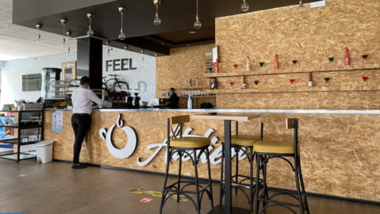
Article : Maroc-Pays-Bas : les cafés pourront rester ouverts pour diffuser le match
Selon Ahmed Bifergane, coordinateur de la Fédération nationale des propriétaires de cafés et restaurants, aucune interdiction n’a été émise par les autorités pour la nuit du lundi 29 au mardi 30 juin.
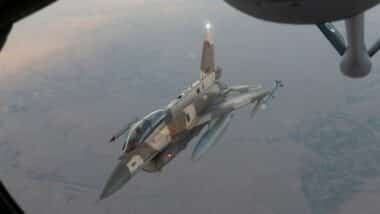
Article : Défense : les F-16 marocains concernés par un nouveau contrat américain sur les missiles AMRAAM
Attribuée à Raytheon pour 398,6 millions de dollars, l’enveloppe porte sur des travaux liés au système D4/C9, avec une échéance fixée à décembre 2027. Le Maroc figure parmi les pays partenaires du dispositif FMS, aux côtés notamment des Émirats arabes unis, de l’Arabie saoudite, du Japon, d’Israël et du Royaume-Uni.
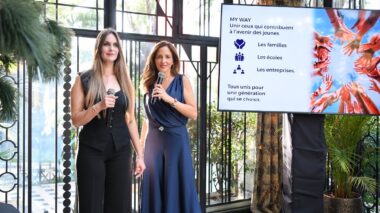
Article : My Education lance “MY WAY”, un programme dédié aux compétences du XXIe siècle
Destiné aux jeunes de 9 à 16 ans, le dispositif combine des activités régulières, des bootcamps, des stages immersifs et des interventions en milieu scolaire.