
Aïd Al Adha: The government finally reacts to the surge in sheep prices
A belated but necessary reaction. One week before Aïd Al‑Adha, markets are now under the supervision of local authorities, who must ensure compliance with marketing channels and curb speculative practices.
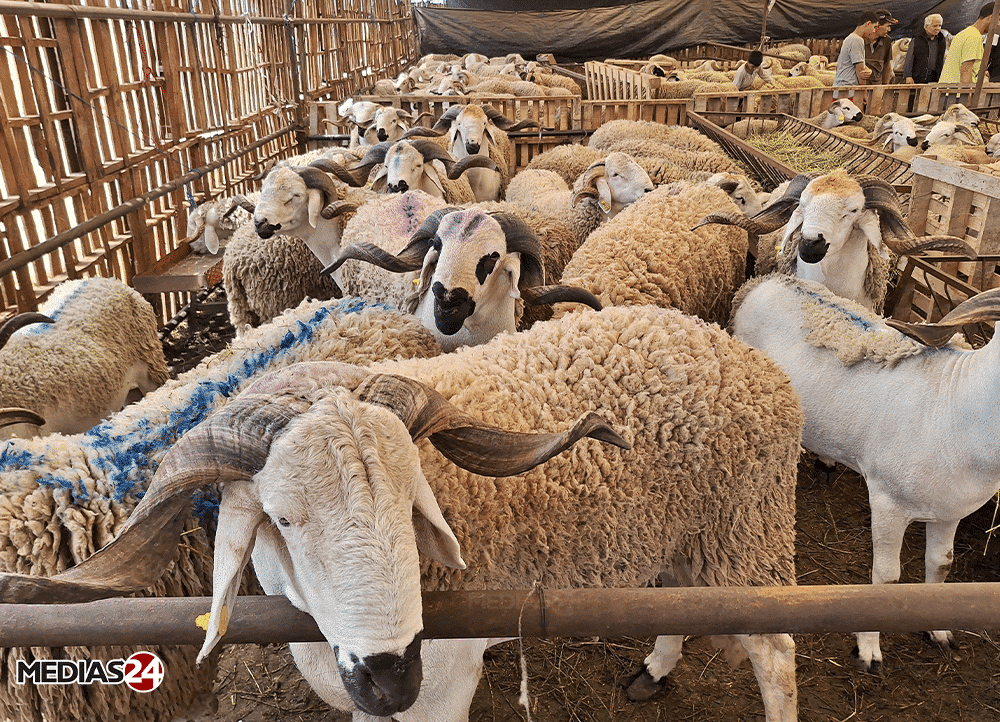
After consulting the Competition Council, the Head of Government issued a decree regulating the marketing of sacrificial sheep for this year’s Aïd al-Adha. The measures are temporary, limited to the few days leading up to the major religious festival.
Live sheep and mutton prices have reached unprecedented levels in living memory, with live sheep trading at around 75 to 85 DH/kg and retail prices ranging between 150 and 200 DH/kg.
The decree now governs the marketing of sacrificial sheep for Aïd al-Adha 1447H/2026. Issued just one week before the celebration, the measure comes late — but it is deemed necessary. It remains to be seen whether it will have a tangible impact on market dynamics. The decree was announced on the evening of Monday, May 18.
What the text prohibits
Based on Law No. 104.12 on freedom of pricing and competition and Organic Law No. 113.14 on municipalities, the decree sets out five key prohibitions:
• Selling outside designated and authorized markets is prohibited. Direct sales on farms or within agricultural holdings remain permitted under applicable regulations.
• Sellers are required to submit a prior declaration to the local authorities, specifying their identity, the number of animals offered for sale, and their origin.
• Purchasing sheep within markets for the purpose of resale is strictly prohibited, a measure aimed at curbing speculative intermediaries.
• Any form of price manipulation, artificial bidding, or explicit or tacit agreements intended to inflate prices is prohibited.
• Stockpiling animals outside normal commercial channels in order to create artificial scarcity is prohibited
Imprisonment and fines
Following these injunctions, the decree establishes a four-part enforcement framework: criminal proceedings leading to custodial sentences, financial penalties, temporary closure of non-compliant points of sale, and the seizure of animals and equipment used in the commission of offences.
The statement specifies that public authorities must ensure the “strict and equitable enforcement” of these measures.
What will be closely scrutinized in the coming days is their implementation on the ground, and the ability of enforcement services to dismantle the networks that have distorted the market.
A late but unprecedented intervention
The political significance of this decree extends beyond the sole issue of Aïd al-Adha. The state rarely intervenes so directly in livestock pricing mechanisms. By resorting to the law on freedom of pricing and competition, following formal consultation with the Competition Council, the executive signals that it considers current practices to constitute unlawful market distortions.
TRANSLATION OF THE OFFICIAL STATEMENT
Rabat, May 18, 2026
In a constant effort to preserve citizens’ purchasing power, ensure the transparent functioning of sacrificial animal markets, and uphold the principles of free competition, the Head of Government, Mr. Aziz Akhannouch, has issued a decree establishing temporary measures to regulate the marketing and sale of animals for Aïd Al‑Adha 1447H/2026, in order to prevent any unjustified increase in prices.
This decree is based on the provisions of Organic Law No. 113.14 relating to municipalities and Law No. 104.12 on freedom of pricing and competition, as well as the relevant implementing regulations. It follows consultation with the Competition Council and aims to combat all practices that could undermine the principles of fair competition or disrupt the natural balance of markets.
Here is the full text of the Head of Government’s statement:
السيد رئيس الحكومة يصدر قرار ا يشمل مجموعة من التدابير الرامية لتنظيم الأسواق المخصصة لبيع أضاحي العيد والتصدي للممارسات المؤدية للارتفاع غير المبرر لأسعارها
الرباط، 18 ماي 2026
في إطار الحرص المتواصل على صون القدرة الشرائية للمواطنات والمواطنين، وضمان السير العادي والشفاف للأسواق المخصصة لبيع أضاحي العيد، وتعزيزا لمبادئ المنافسة الحرة والنزيهة، وارتكازا على المقتضيات القانونية والتنظيمية الجاري بها العمل، أصدر رئيس الحكومة، السيد عزيز أخنوش، قرارا يقضي بإقرار تدابير مؤقتة تروم تنظيم عمليات تسويق وبيع أضاحي العيد، بمناسبة عيد الأضحى المبارك لعام 1447 ه/ 2026، وذلك لتجنب الرفع غير المبرر في أسعار أضاحي العيد.
ويأتي هذا القرار استنادا إلى أحكام القانون التنظيمي رقم 113.14 المتعلق بالجماعات، والقانون رقم 104.12 المتعلق بحرية الأسعار والمنافسة، وكذا النصوص التطبيقية ذات الصلة، وبعد استشارة مجلس المنافسة، وذلك بهدف التصدي لكل الممارسات التي من شأنها المساس بقواعد المنافسة المشروعة أو الإخلال بالتوازن الطبيعي للأسواق.
وفي هذا السياق، تم التنصيص على مجموعة من التدابير التنظيمية والاحترازية الرامية إلى ضمان شفافية المعاملات التجارية داخل أسواق بيع الأضاحي، والحد من كافة أشكال المضاربة والاحتكار والممارسات غير المشروعة.
وتشمل هذه التدابير على الخصوص
حصر بيع أضاحي العيد داخل الأسواق المخصصة والمرخص لها قانونا، مع استثناء حالات البيع المباشر بما فيها البيع داخل الضيعات الفلاحية، وذلك وفق الضوابط المعمول بها؛
إلزام البائعين بالتصريح المسبق لدى السلطات الإدارية المحلية بهويتهم، وعدد الأضاحي المعروضة للبيع وكذا مصدرها، قبل ولوج الأسواق؛
منع شراء الأضاحي داخل الأسواق بغرض إعادة بيعها لما يشكله ذلك من إخلال بمبادئ المنافسة السليمة؛
حظر كل أشكال التلاعب أو التأثير المصطنع على الأسعار، بما في ذلك المزايدات المفتعلة أو الاتفاقات الضمنية أو الصريحة الرامية إلى رفع الأثمان؛
منع تخزين الأضاحي خارج المسالك التجارية الاعتيادية بهدف خلق ندرة مصطنعة أو افتعال ارتفاع في الأسعار.
كما ينص القرار على اتخاذ إجراءات زجرية صارمة في حق المخالفين، تحت طائلة العقوبات الحبسية والغرامات المالية المنصوص عليها في التشريع الجاري به العمل، فضلا عن إمكانية الإغلاق المؤقت لنقاط البيع المخالفة، وحجز الأضاحي والمعدات المستعملة في ارتكاب المخالفات، وذلك وفقا للصلاحيات المخولة للسلطات المختصة. حيث ستسهر السلطات العمومية على التطبيق الصارم والعادل لهذه التدابير.
كما ندعو كافة المهنيين والفاعلين والمتدخلين في سلسلة تسويق أضاحي العيد إلى التحلي بروح المسؤولية والالتزام بالقوانين والضوابط التنظيمية المعمول بها، بما يضمن حماية المستهلك، والحفاظ على شفافية المعاملات، وتأمين تموين الأسواق في ظروف سليمة.

à lire aussi

Article : Santé numérique : ce que le projet de loi prévoit de changer dans votre parcours de soins
Le projet de loi 52.26 adopté en Conseil du gouvernement pose les bases de la santé numérique au Maroc. Dossier médical partagé, identifiant sanitaire unique, plateforme nationale et agence dédiée… Il encadre l’accès aux données, fixe les droits des patients et prévoit des sanctions. Détails.

Article : Déficit budgétaire 2026 : le Maroc peut-il tenir les 3% ?
Malgré le choc énergétique, la hausse des dépenses sociales et salariales et l’accélération de l’investissement public, le gouvernement maintient son objectif de ramener le déficit budgétaire à 3% du PIB en 2026. La cible est comptablement atteignable. Reste à savoir si cet ajustement repose sur des bases solides et durables.
Article : Gazoduc Nigeria-Maroc : qui paiera et quand le gaz arrivera
De Casablanca à Abuja, la signature de l’accord intergouvernemental le 19 juillet marque un tournant pour ce projet destiné à acheminer le gaz ouest-africain jusqu’au Maroc et à l’Europe, soutenu par d’immenses réserves gazières au Nigeria, au Sénégal et en Mauritanie. Qui doit le financer, comment il sera construit au Maroc et pourquoi le premier gaz n’est attendu qu’en 2031 : tour d’horizon.

Article : Aviculture : prix toujours bas, jusqu'à 3 DH de pertes par kg pour les éleveurs
Les prix du poulet continuent de reculer au Maroc, creusant les pertes des éleveurs. Le secteur espère toutefois une remontée progressive des prix à partir de septembre, portée par une baisse attendue de l'offre et un léger rebond de la demande. Détails.

Article : Settat : l’ONEE renforce l’alimentation en eau avec un projet de 210 MDH
L’Office national de l’électricité et de l’eau potable a mis en service la première tranche d’un projet de 210 millions de dirhams destiné à renforcer et sécuriser l’alimentation en eau potable de Settat et des localités voisines. Cette première phase permet de doubler le débit d’alimentation de la ville.

Article : La fondation CDG distingue six projets d’innovation sociale digitale
La fondation CDG a clôturé la 2e édition de DIGIT@CTION, un programme dédié à l’innovation sociale digitale. Six projets portés par des associations ont été retenus et bénéficieront d’un financement, ainsi que d’un accompagnement pour soutenir leur déploiement.