
World Cup 2026. Why did Morocco struggle at the beginning of the match against Canada
Before taking the lead, the Atlas Lions struggled to regain possession, especially during the opening quarter of their round-of-16 clash with Canada on Saturday, July 4. The sluggish tempo of their passing and the Canadians’ well-organized pressing both contributed to their early difficulties.
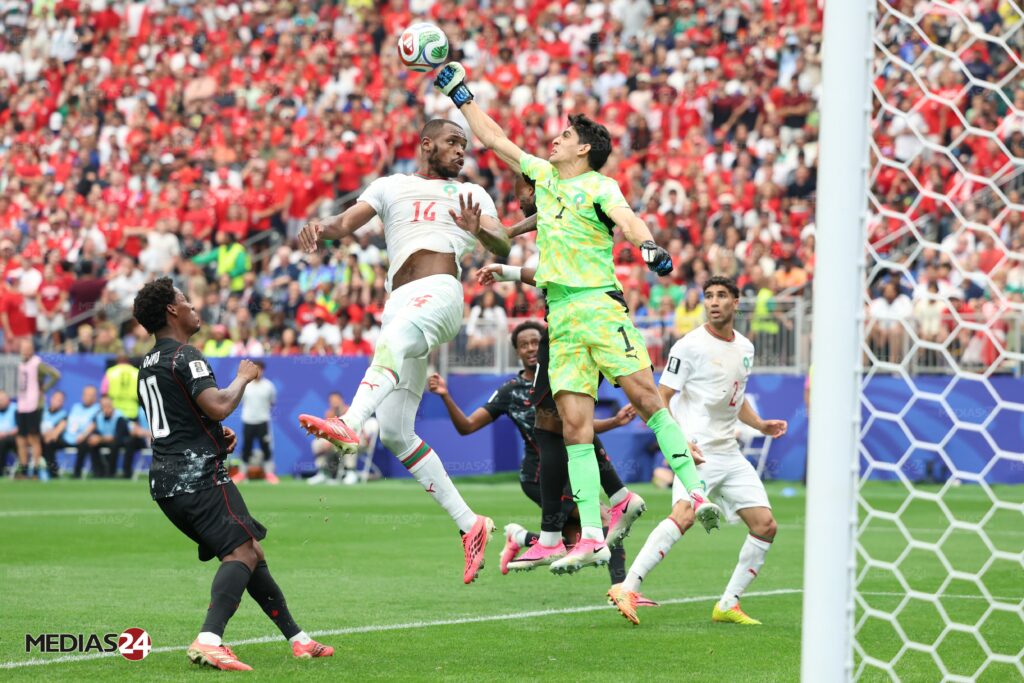
It may seem paradoxical to say that Morocco was under pressure after eliminating Canada with a convincing 3-0 victory in the round of 16 of the 2026 World Cup on Saturday, July 4 in Houston.
Given the Canucks’ pedigree, this victory was far from guaranteed. Yet the fact that it took time to materialize was largely due to the Atlas Lions being unsettled by their opponents’ tactical setup.
Combined with their sluggish ball circulation and several technical inaccuracies, it’s hardly surprising that Achraf Hakimi and his teammates struggled so much, particularly during the first 25 minutes of play.
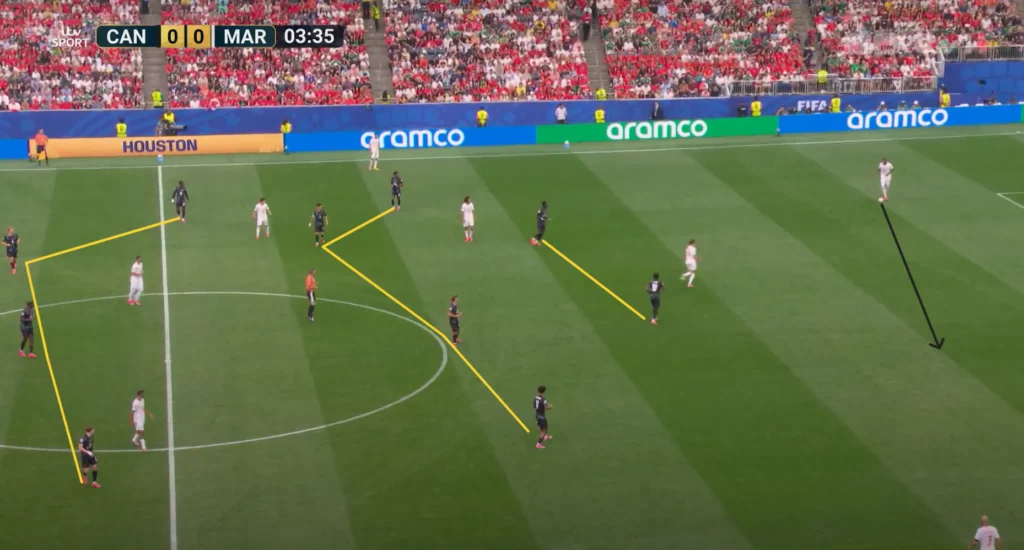
Moreover, the Canadians’ intensity and their focused pressing on the flanks, which closed off central passing lanes, disrupted the progression of the national team’s build-up play.
For nearly half an hour, Morocco’s central defenders were forced to act as playmakers (see below).
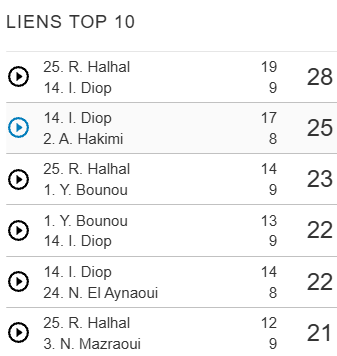
These players were repeatedly forced into situations where their only options were to play long or release the ball to the full-backs.
In the latter case, the Canadians shifted across to trap the Moroccan defenders with their backs to the touchline.
Additionally, the circulation of the ball lacked tempo, while long balls were often inaccurate and suffered from poor coordination between the passer and the intended receiver.
The halftime adjustments that changed Morocco’s game
The numbers tell the story. There was a striking difference in several statistical indicators before the first cooling break and afterward, particularly in the success rate of progressive passes.
It rose from 10% to 47%. While the Atlas Lions had failed to complete any passes into the opponents’ final 30 meters at the start of the match, they later reached a success rate of 60%, much closer to their tournament average of 70%.
Another interesting development was the share of lateral passes in Morocco’s total passing volume. Before the first quarter, they accounted for 46%. Afterward, that figure dropped to 37%.
We will never know how this round of 16 would have unfolded if Azzedine Ounahi had not scored following Hakimi’s free-kick.
But we can be certain that the move leading to this set piece encapsulated the determination shown by the Lions in the second half to play with greater tempo.
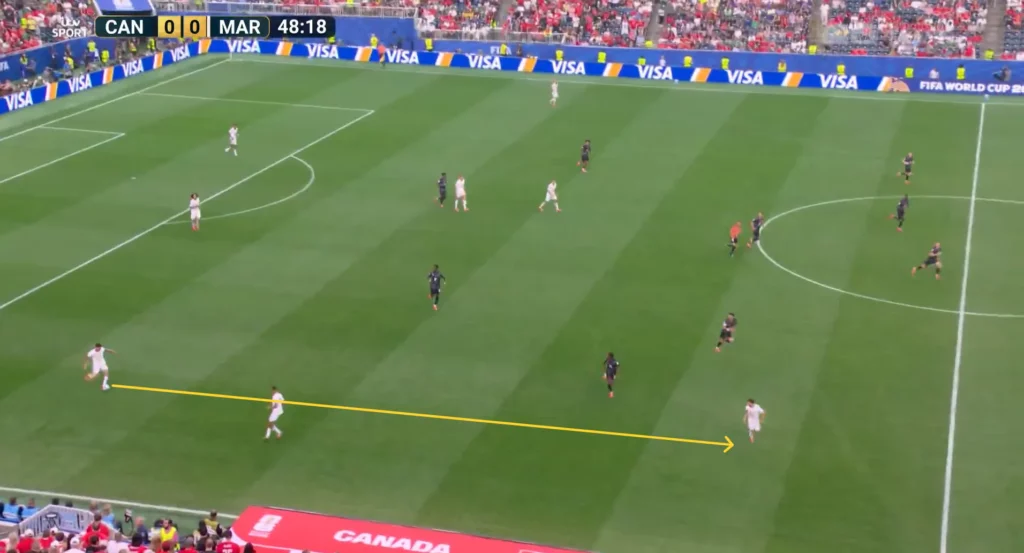
The foul on Soufiane Rahimi resulted from two rapid passes, first by Achraf Hakimi and then Brahim Díaz, after Yassine Bounou’s restart.
These exchanges allowed Morocco to break into the final third at pace, in a lightning-fast counterattack that prevented the Canadian block from reorganizing and closing the gaps (see captures below).
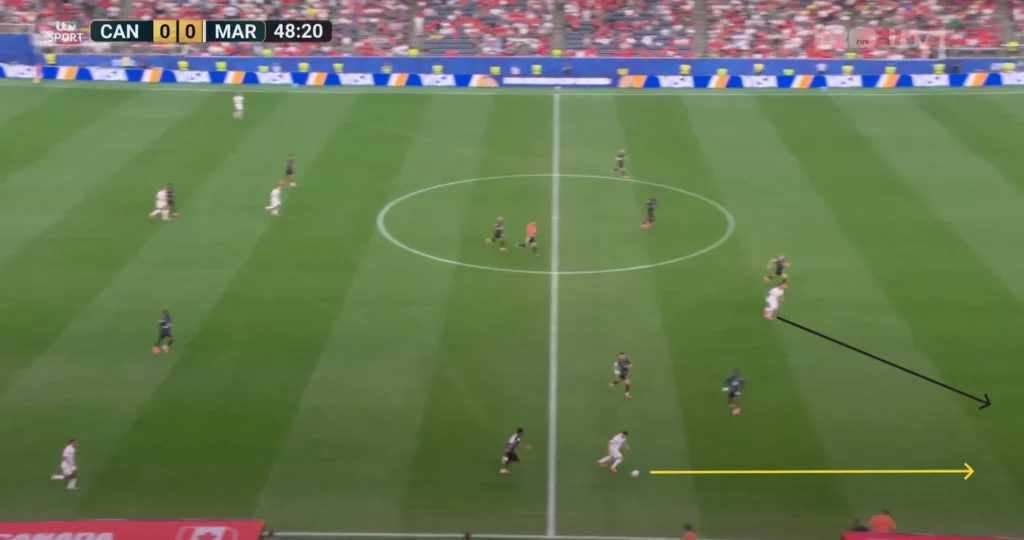
Furthermore, the instruction given to Neil El Aynaoui to position himself between the center-backs in order to facilitate ball progression also had a positive impact.
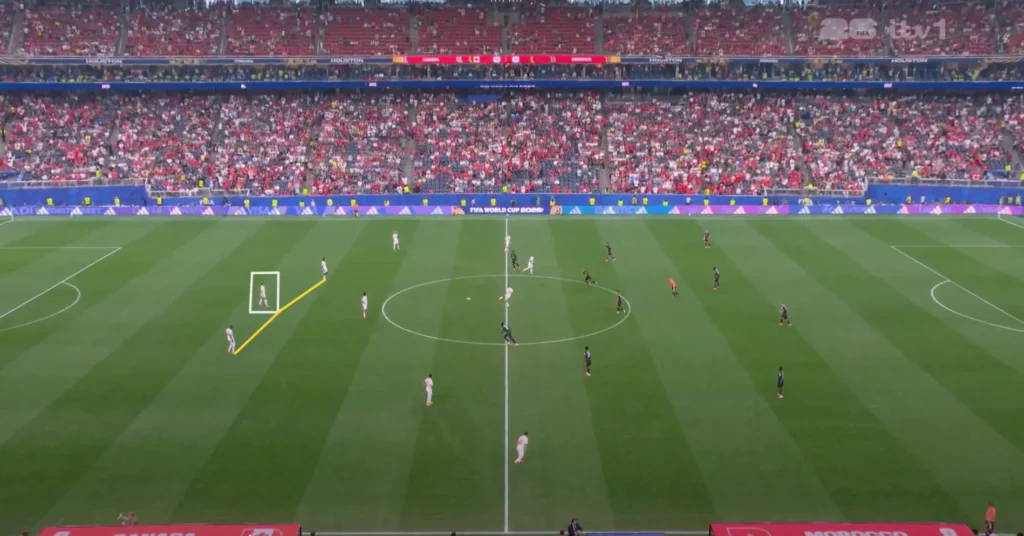
Subsequently, the opening goal completely changed the dynamics of the match, as Jesse Marsch’s men were forced to alter their game plan in search of an equalizer.
As a result, they left spaces for Ounahi and his teammates to exploit — and Morocco did not need a second invitation. Today, the Atlas Lions are in the quarterfinals, celebrating a deserved achievement. But we should not be misled.
France’s attackers are clearly more clinical than their Canadian counterparts, who likely missed their best opportunity early in the match.

à lire aussi
Article : La région Casablanca-Settat lance son système d'information intégré à 35 millions de DH
Ce projet, budgétisé à 35 millions de dirhams et étalé sur neuf mois, vise à moderniser la gestion administrative et à fluidifier la circulation de l'information entre les différentes directions.
Article : Le Maroc récupère neuf fossiles rares vieux de 66 à 72 millions d'années
Le Maroc a récupéré neuf fossiles vieux de 66 à 72 millions d'années, qui proviennent de son bassin géologique, grâce à une opération menée en coordination avec les autorités françaises dans le cadre de la coopération bilatérale en matière de protection du patrimoine culturel.
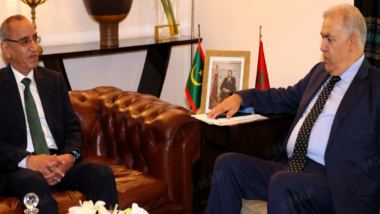
Article : Maroc-Mauritanie : Laftit reçoit son homologue mauritanien pour renforcer la coopération bilatérale
En visite dans le Royaume les 17 et 18 juillet, le ministre mauritanien de l'Intérieur s'est entretenu avec Abdelouafi Laftit sur les moyens de consolider la coopération entre les deux départements, notamment en matière de sécurité, de migration et de coopération décentralisée.
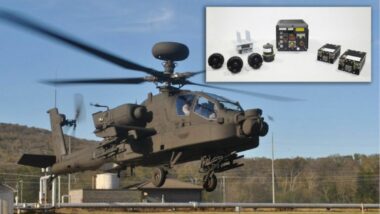
Article : Guerre électronique : comment le Maroc s'intègre dans un programme de 114 millions de dollars du Pentagone
Le programme concerne le AN/APR-39D(V)2, un système de guerre électronique avancé développé par Northrop Grumman Systems Corp qui identifie les menaces radar ennemies, telles que les missiles sol-air ou air-air, afin de permettre aux pilotes de déployer des contre-mesures.

Article : Prévisions météorologiques pour le samedi 18 juillet
Les températures resteront élevées samedi dans plusieurs régions du Royaume, où elles pourront atteindre 44 °C à Aousserd, annonce la Direction générale de la météorologie.
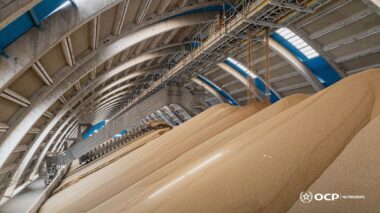
Article : Jorf Fertilizers Company devient une joint venture OCP- Koch
Koch Ag & Energy Solutions (Koch) et OCP Nutricrops S.A. (OCP) ont signé un accord prévoyant l’investissement de Koch dans la société Jorf Fertilizers Company I (JFC I), filiale d’OCP Nutricrops. Dès sa finalisation, cette transaction donnera lieu à la création d’une joint-venture opérationnelle entre Koch et OCP.